What Beaverton and Portland Homebuyers Should Consider About Affordability in 2026
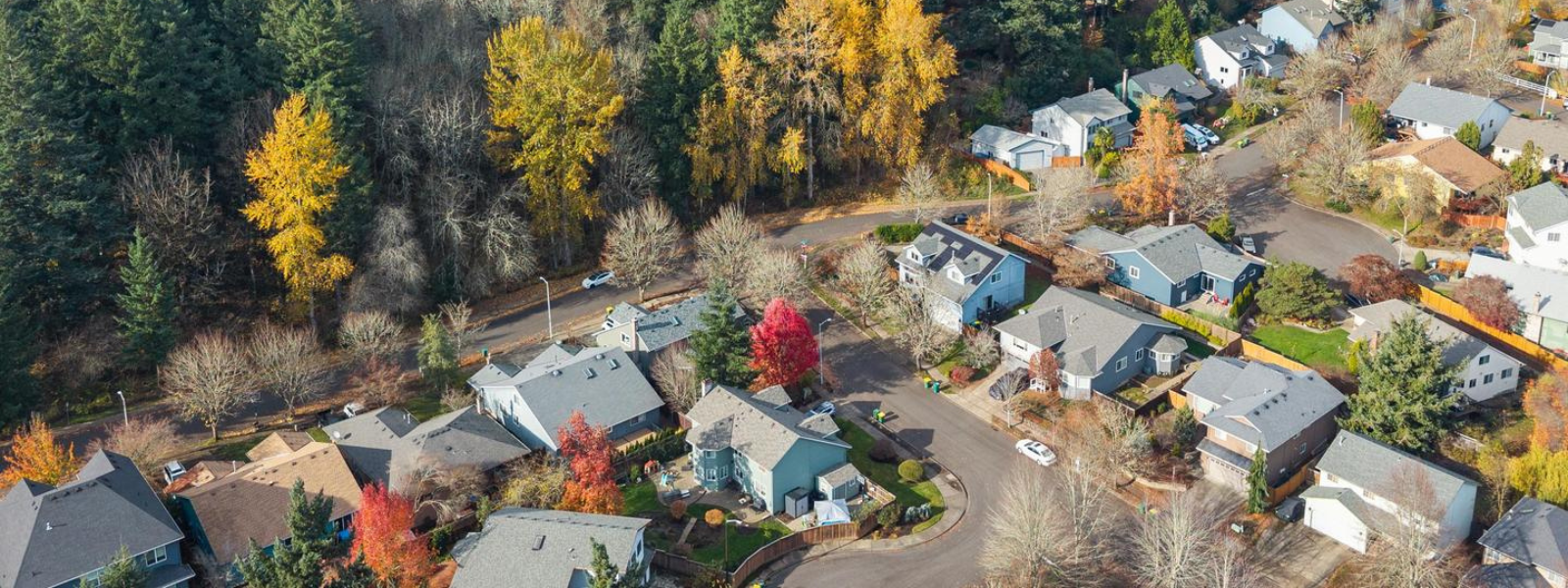
Affordability has been one of the biggest concerns for Portland homebuyers over the past several years. Rising home prices, higher interest rates, and increased everyday expenses have pushed many buyers to ask an important question:
Is Portland approaching peak affordability challenges—or is relief on the horizon in 2026?
By looking at recent housing data, local trends, and buyer behavior, we can better understand what affordability may look like for Portland and the surrounding metro area in 2026.
What Does “Affordability” Really Mean in Portland?
Housing affordability isn’t just about home prices. In Portland, it’s a combination of:
- Median home prices
- Mortgage interest rates
- Household income growth
- Property taxes and insurance
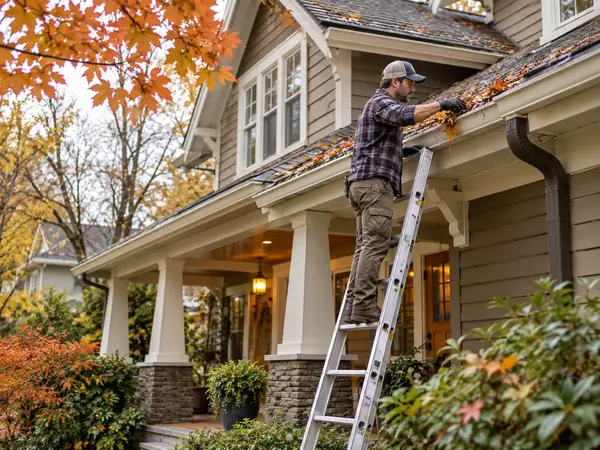
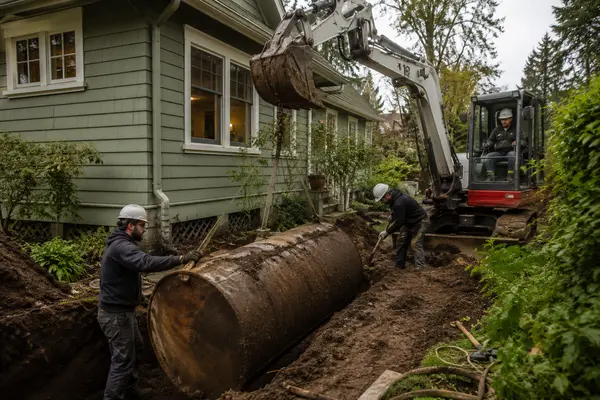
- Home maintenance costs
- Cost of living and lifestyle expenses
When these factors rise faster than incomes, affordability becomes strained—even if home prices stabilize.

Portland Home Prices: Stabilizing, Not Soaring
After rapid appreciation during the pandemic (2020 to 2022), Portland home prices have shown signs of moderation and normalization (mid-2022 to 2026).
What the data suggests:
- Price growth has slowed compared to peak years
- Buyers are pushing back on overpricing
- Homes that are priced correctly are selling, while others sit longer
This shift doesn’t necessarily mean prices are falling dramatically—but it does suggest that price growth has eased, which helps affordability at the margins.
Interest Rates: Still a Challenge, but Less Volatile
Interest rates remain a key factor in affordability. While rates are higher than historic lows, recent trends show less volatility compared to the past few years.
For 2026, this means:
- Buyers can plan more confidently
- Rate fluctuations may be less dramatic
- Creative strategies (rate buydowns, seller credits) are more common
- As interest rates hit 6% or lower buyer demand increases
Even small changes in rates can significantly impact monthly payments, making preparation and timing especially important.
Inventory Levels Are Slowly Improving
One of the biggest affordability pressures in Portland has been limited housing supply.
Recent trends indicate:
- 10% higher inventory compared to the ultra-tight pandemic years
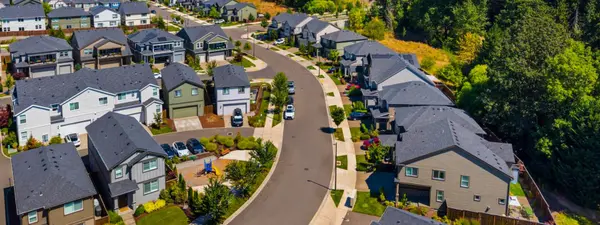
- More choices for buyers, especially in outer neighborhoods and suburbs
- Less frequent extreme bidding wars
- Condominium inventory is high, good deals for buyers
Inventory growth —more homes for sale—means buyers gain negotiating power because there are more options of homes to choose from, which can ease affordability pressures without requiring major price drops.
Income Growth vs. Housing Costs
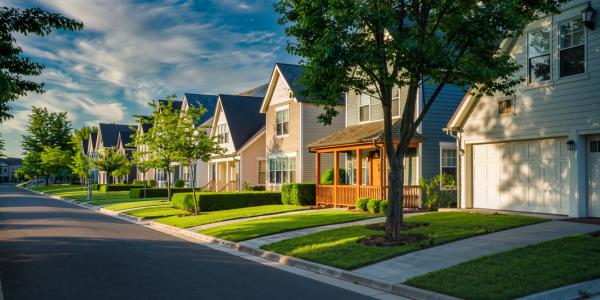
Wages in the Portland metro area have grown, but not always at the same pace as housing costs.
In 2026:
- Dual-income households continue to have an advantage
- First-time buyers feel the affordability squeeze the most
- Buyers are prioritizing long-term payment comfort over maximum price
This shift in mindset is leading many buyers to choose smaller homes, different neighborhoods, or condos and townhomes as more affordable entry points.
Are We Near “Peak” Affordability Challenges?
The data suggests Portland may be near a plateau, rather than facing worsening affordability at the same pace seen in recent years.
Key indicators include:
- Slower home price appreciation
- More balanced buyer-seller dynamics
- Increased use of concessions and credits
- Buyers becoming more informed and strategic
While affordability remains a challenge, the situation appears more manageable for prepared buyers than it was during peak competition years.

What This Means for Buyers in 2026
If you’re considering buying a home in Portland in 2026:
- Preparation matters more than market timing
- Flexibility on location and home type improves options
- Working with experienced local professionals is critical
Affordability isn’t just about waiting for prices or rates to drop—it’s about understanding the market and making informed decisions.
What This Means for Sellers
For sellers, affordability pressures mean:
- Pricing accuracy based on market trends, property condition and competition is essential
- Presentation and condition matter more than ever
- Strategic concessions may attract stronger buyer interest
- Testing the market at a price above buyer expectations of market value does not work
Homes that are well-prepared and priced correctly continue to sell—even in affordability-constrained conditions.
The Bottom Line: A More Navigable Market in 2026
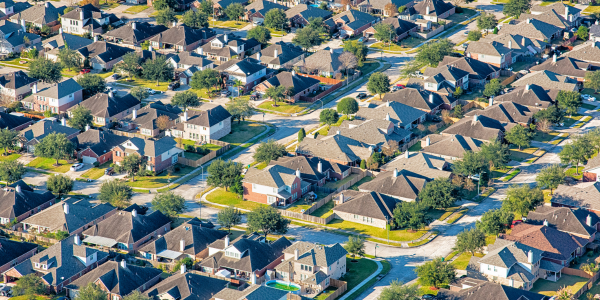
Portland’s housing market still faces affordability challenges, but the data suggests we may be entering a phase of greater balance and predictability.
For both buyers and sellers, 2026 is shaping up to be a year where strategy, preparation, and local expertise matter more than speculation.
If you’re curious how affordability trends impact your buying or selling plans in Beaverton, Portland or the surrounding metro area, understanding the data—and how it applies to your situation—is the first step. Contact us for expert guidance in Beaverton and Portland. We’re always ready to help.
Categories
Recent Posts