What First-Time Buyers Need to Know Before Buying a Home in Portland in 2026
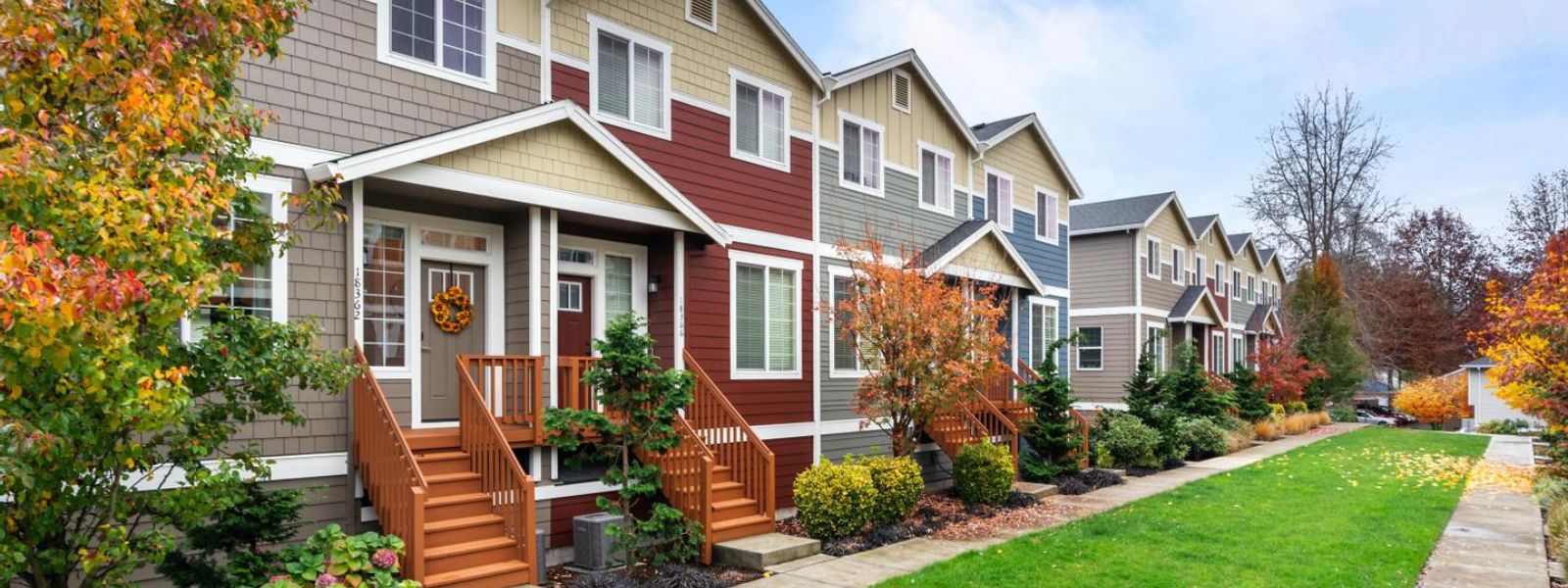
Buying your first home is an exciting milestone—and in a competitive, ever-changing market like Portland, preparation is everything. If you’re planning to buy your first home in 2026, this guide will walk you through what to expect, how to prepare, and how to position yourself for success in the Portland Metro area.
Whether you’re dreaming of a craftsman in Sellwood, a condo in the Pearl District, or a starter home in Beaverton or Hillsboro, understanding the local market and planning ahead will give you a major advantage.
Why 2026 Is a Smart Year for First-Time Buyers in Portland
The Portland housing market continues to normalize after years of volatility. While interest rates and inventory will always fluctuate, 2026 is shaping up to be a year where prepared buyers have more leverage—especially compared to the frenzied markets of the past.
Key trends first-time buyers should expect in 2026:
- More balanced negotiations between buyers and sellers
- Increased importance of strong financial preparation
- Continued demand in close-in neighborhoods and suburban hubs
- Opportunities for buyers who are flexible and well-advised
Step 1: Understand Your Budget (Before You Fall in Love With a House)
Before browsing listings or attending open houses, it’s critical to understand what you can comfortably afford.
What to Factor Into Your Budget:
- Monthly mortgage payment (principal & interest)
- Property taxes (varies by location in Multnomah, Clackamas and Washington counties). Use a minimum of 2% of the purchase price as a rough estimate for property taxes.
- Homeowners insurance
- HOA dues (common for condos and planned communities)
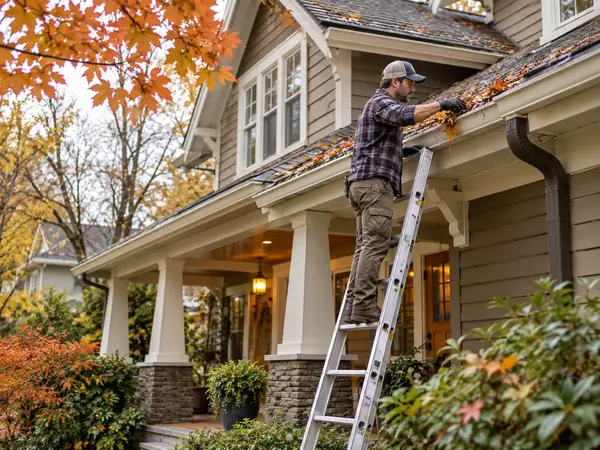
- Maintenance and utilities. Budget for home maintenance to be 2-3% of the property value each year. This does not account for home improvements, simply the maintenance needed to uphold the value of the property.
A common mistake first-time buyers make is focusing only on the purchase price instead of the monthly lifestyle cost of homeownership.

Step 2: Get Pre-Approved With a Local Lender
In Portland’s competitive market, a mortgage pre-approval isn’t optional—it’s essential.
Benefits of getting pre-approved early:
- Clarifies your true buying power
- Must be pre-approved to schedule showings at listings
- A strong preapproval strengthens your offer
- Identifies potential credit or income issues early
- Shows sellers you’re serious and prepared
Working with a local Portland-area lender can also be a major advantage. Local lenders understand Oregon-specific requirements and can often close faster than national banks. Working with a lender that is readily available and provides personalized service is crucial. Web based lenders are historically challenging to work with and can be a red flag to sellers when presenting your offer.
Step 3: Save Strategically for Upfront Costs
Many first-time buyers are surprised by the upfront costs beyond the down payment.
Typical Costs to Plan For:
- Down payment (as low as 3–5% for some loan programs)
- Closing costs (usually 2–3% of the purchase price)
- Prepaid taxes (approx 2% of purchase price)
- Home owners insurance (approx .25% of purchase price)
- Home inspection ($800-$1000) and appraisal fees ($750-$950)
Good news: There are first-time buyer assistance programs available in Oregon that may help with down payment or closing costs. A knowledgeable real estate team can help you explore which programs you qualify for.
Step 4: Know the Portland Neighborhoods That Fit First-Time Buyers
Location plays a huge role in both lifestyle and long-term value. Some areas tend to be more accessible for first-time buyers in 2026.
Popular Portland-area options include:
- Beaverton & Aloha – Great value, strong schools, and easy access to Nike and Intel
- Hillsboro – Newer developments and first-time buyer-friendly pricing
- East Portland – More affordability with long-term growth potential
- Tigard & Tualatin – Suburban feel with convenient commuting options
Each neighborhood has its own personality, price points, and trade-offs. Touring multiple areas helps clarify what matters most to you.
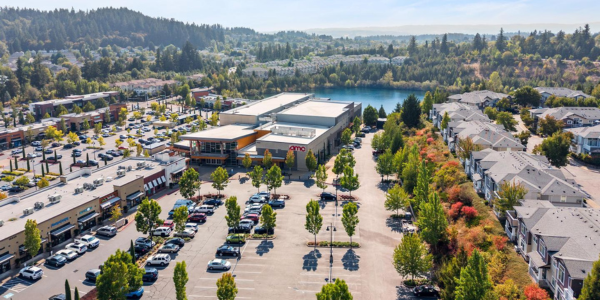
Step 5: Learn What Sellers Expect in 2026
Even in a more balanced market, sellers still favor buyers who are organized and decisive.
To stand out as a first-time buyer:
- Have your pre-approval ready
- Be flexible on timelines when possible
- Understand which contingencies are reasonable
- Lean on your agent for pricing and offer strategy
In Portland, well-structured offers often win over higher—but riskier—offers.
Step 6: Work With a Real Estate Team That Knows Portland
First-time buyers benefit enormously from guidance—especially in a market with nuanced neighborhoods, inspections, and negotiations.
A local real estate team can help you:
- Understand true market value
- Navigate inspections and repair negotiations to avoid costly repairs
- Coordinate lenders, inspectors, seller’s agent and escrow smoothly
- Manage timelines to protect your best interests while completing due diligence
Buying your first home isn’t just a transaction—it should be a strategically planned process.

Step 7: Prepare Mentally (Yes, It’s an emotional journey)
Buying a home can have many ups and downs. You may lose out on a house or need to adjust expectations—but that’s normal.
Staying patient, informed, and well-advised makes all the difference. The goal isn’t just to buy a house, but to buy the right home for your life and finances.

Ready to Buy Your First Home in Portland?
If you’re planning to buy your first home in Portland, Beaverton or the surrounding metro area in 2026, preparation is your biggest advantage. With the right plan, local guidance, and realistic expectations, homeownership is absolutely within reach.
If you’d like help creating a personalized first-time buyer plan—or want to understand what’s possible in today’s Portland market—we’re here to help. Contact us today!
Categories
Recent Posts