Before You List: The Repairs That Matter Most to Buyers and Inspectors
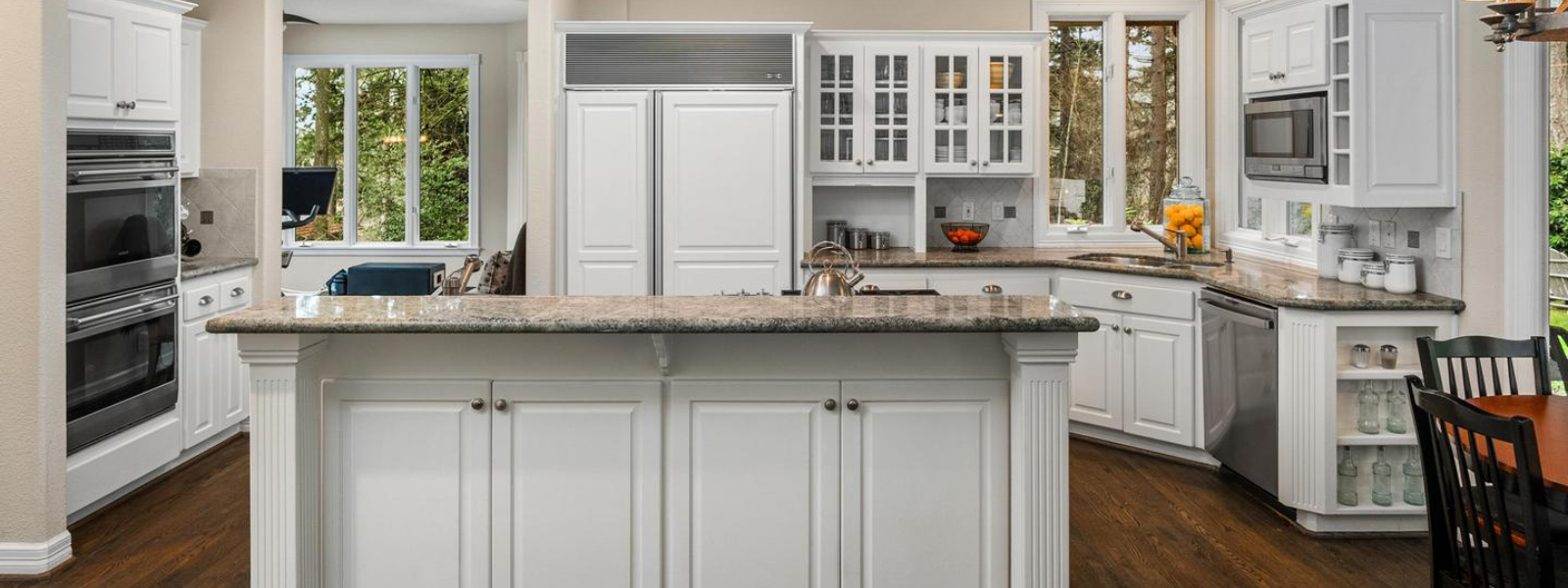
One of the most common questions homeowners ask before selling is: “What should I fix before listing my home?”
Not every repair is worth the time or expense, but addressing the right maintenance items before listing can make a big difference in attracting buyers and avoiding surprises during the home inspection.
If you’re preparing to sell in the Portland or Beaverton real estate market, understanding which repairs matter most can help you protect your sale price, reduce negotiation issues, and create a smoother transaction.
Let’s break down the repairs that are usually worth doing—and the issues home inspectors flag most often.
Focus on Repairs That Buyers Notice First
Before a buyer even schedules an inspection, they are already evaluating the condition of your home during showings. Small issues can make buyers wonder if there are larger problems hidden behind the walls.
Some of the most worthwhile repairs before listing a home include:
- Fixing leaky faucets or running toilets
- Repairing damaged drywall or patching holes
- Replacing burnt-out light bulbs•Repairing loose door handles or cabinet hardware
- Addressing squeaky doors or sticking windows
- Touching up interior paint
These may seem minor, but they signal that a home has been well maintained, which builds buyer confidence.

Maintenance Issues Home Inspectors Flag Most Often
During a buyer’s inspection, inspectors are trained to look for safety issues, structural concerns, and deferred maintenance. While every home is different, several items show up again and again in inspection reports.
Roofing Problems
Roof-related issues are one of the most common findings in home inspections. Inspectors often flag:
- Missing or damaged shingles
- Moss buildup (common in the Pacific Northwest)
- Aging roofs nearing the end of their lifespan
- Flashing issues around vents and chimneys
If your roof has visible wear, addressing repairs before listing can help prevent buyers from requesting large credits later.
Electrical Issues
Electrical items frequently appear in inspection reports, especially in older homes. Some of the most common concerns include:
- Outlets that are not GFCI protected in kitchens or bathrooms
- Loose outlets or switches
- Outdated electrical panels
- Exposed wiring
Many of these fixes are relatively straightforward but can raise safety concerns for buyers if left unresolved.
Plumbing Concerns
Even small plumbing issues often get flagged during inspections. Inspectors typically note:
- Slow leaks under sinks or slow drains
- Water pressure problems
- Aging water heaters
- Corrosion on pipes
Fixing plumbing problems before listing can prevent buyers from assuming the home has larger hidden issues.

HVAC and Heating Systems
Heating systems are another area inspectors carefully evaluate. Common findings include:
- Dirty furnace filters
- Lack of recent servicing
- Older systems nearing replacement age
- Poor airflow or ventilation issues
A simple HVAC service before listing can reassure buyers that the system is functioning properly.
Drainage and Exterior Maintenance
Outside the home, inspectors frequently note problems related to water management. This includes:
- Gutters filled with debris
- Downspouts draining too close to the foundation
- Poor grading around the home
- Standing water near the property
Water drainage issues can signal potential foundation risks, so addressing them early can prevent buyer concerns.
Repairs That Usually Aren’t Worth Major Investment
While some maintenance items are important, large renovations rarely produce a full return when selling.
Projects that are often unnecessary before listing include:
- Full kitchen remodels
- Complete bathroom renovations
- Major landscaping overhauls
- Replacing flooring that is still in good condition
Instead, most sellers benefit from focusing on cleanliness, minor repairs, and strong presentation, which can make the home feel move-in ready without major expenses.

Consider a Pre-Listing Walkthrough
Some sellers choose to schedule a pre-listing inspection or contractor walkthrough before putting their home on the market.
This allows you to:
- Identify potential issues early
- Decide which repairs are worth addressing
- Reduce surprises during the buyer’s inspection
- Feel more confident once your home hits the market
Being proactive can often lead to smoother negotiations and fewer repair requests once an offer is accepted.
Preparing Your Home for Today’s Market
Selling a home in today’s market requires more than just listing the property—it’s about presenting a well-maintained home that buyers feel confident purchasing.
By addressing common maintenance issues and focusing on the repairs that matter most, sellers can often reduce buyer concerns, attract stronger offers, and create a smoother closing process.
If you have questions about which repairs are worth doing before listing your home, we’re always happy to help. Every home is different, and we can walk through your property together to identify the improvements that will have the biggest impact in today’s market.
Whether you’re planning to sell soon or just starting to explore your options, feel free to reach out anytime. Our team is always here to answer your questions and guide you through the process.
And if you found this article helpful, be sure to check out our previous blog:
Categories
Recent Posts

Portland & Beaverton Fall Home Maintenance Checklist: 12 Things to Check Before the Rainy Season

Portland & Beaverton Housing Market Update | September 2026

What Should You Update Before Selling Your Home? A Portland & Beaverton Seller Guide

Portland & Beaverton Real Estate Market Update: August 2026

Best Portland Suburbs to Consider in 2026

Portland & Beaverton Real Estate Market Update: July 2026

Living in Beaverton, Oregon: A 2026 Local Guide

Fourth of July Weekend Around Beaverton: Local Adventures, Backyard Plans & Easy Summer Fun

June 2026 Portland & Beaverton Real Estate Market Update

Oil Tank Decommissioning in Beaverton and Portland Real Estate: What Buyers and Sellers Should Know