
Portland & Beaverton Fall Home Maintenance Checklist: 12 Things to Check Before the Rainy Season

Portland & Beaverton Fall Home Maintenance Checklist: 12 Things to Check Before the Rainy Season
How to prepare your Portland-area home for fall and winter weather
Before the rainy season settles into Portland and Beaverton, homeowners should pay particular attention to the parts of their home that manage water.
That means your roof, gutters, downspouts, drainage, siding, windows, foundation, and crawl space.
In the Pacific Northwest, months of consistent rain can turn a relatively small maintenance issue into a much larger and more expensive problem. Taking a little time in early fall to inspect your home can help protect its condition, catch potential issues early, and prevent unwanted surprises during the wettest months of the year.
After years of helping buyers and sellers throughout Beaverton, Portland, and the surrounding metro area, we know that moisture, drainage, roofing, and deferred exterior maintenance are some of the areas that deserve particular attention in our climate.
Here are the areas we recommend checking before the rainy season gets underway.
What Should Portland and Beaverton Homeowners Check Before the Rainy Season?
If you only remember one thing, remember this:
Fall home maintenance in the Pacific Northwest is largely about keeping water where it belongs: outside your home and moving away from the structure.
Before winter, Portland and Beaverton homeowners should prioritize:
-
Roof condition
-
Gutters and downspouts
-
Drainage around the foundation
-
Crawl-space or basement moisture
-
Exterior siding, trim, windows, and seals
-
Outdoor plumbing
-
Heating systems
-
Smoke and carbon monoxide alarms
-
Trees and storm debris
-
Decks, patios, stairs, and walking surfaces
You don't necessarily need a long list of complicated projects. The goal is to identify clogged drainage, damaged roofing, failing exterior seals, moisture intrusion, and other small problems before months of wet weather put them to the test.
1. Clean Your Gutters and Check Your Downspouts
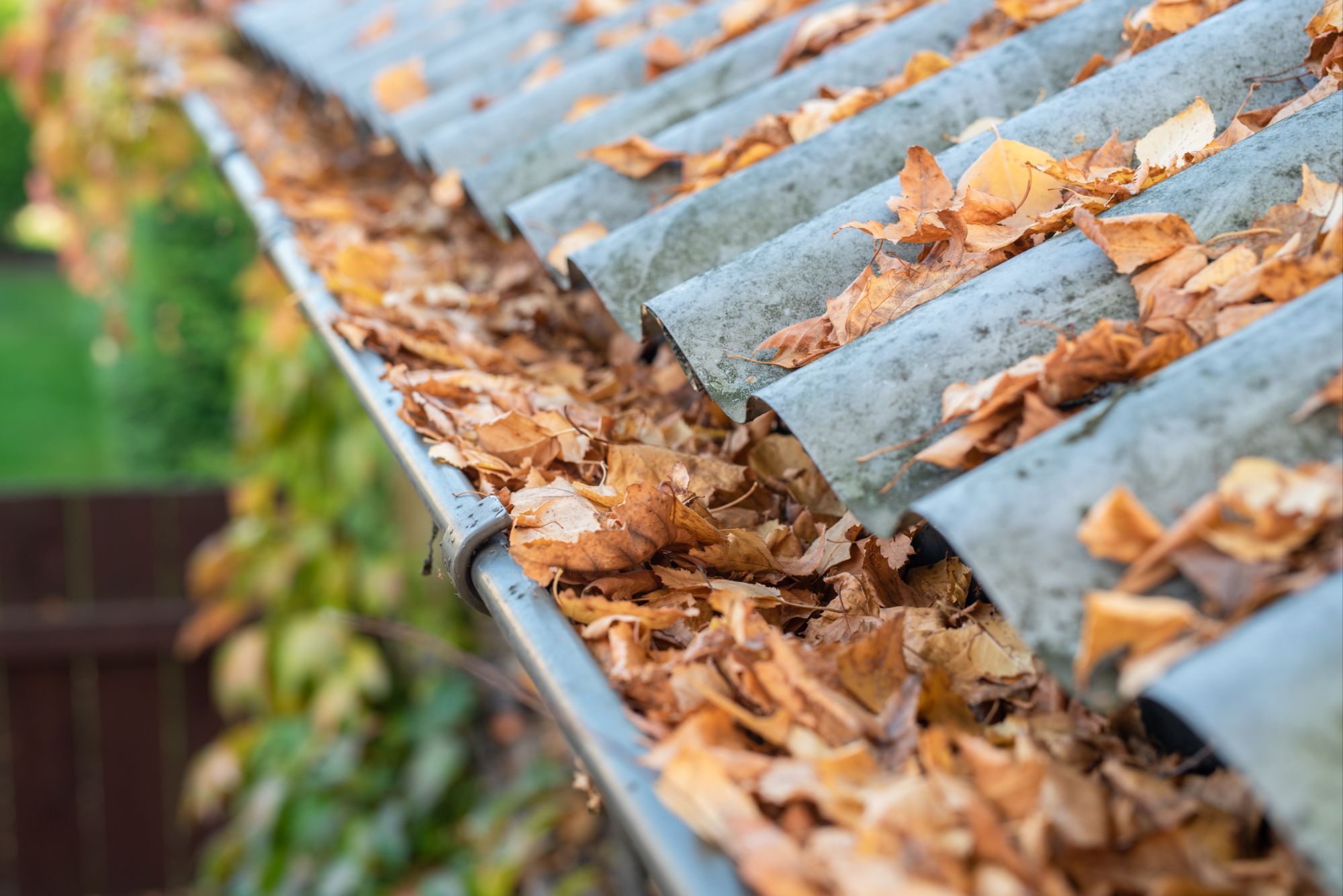
Gutters are one of your home's first lines of defense against water intrusion.
Leaves, pine needles, moss, and other debris can quickly collect during a Pacific Northwest fall. When water can't flow properly through the gutter system, it may overflow against siding, fascia boards, roofing, landscaping, or the home's foundation.
Before the rainy season:
-
Clean leaves and debris from gutters
-
Check for loose or damaged sections
-
Look for leaking seams
-
Make sure downspouts are securely connected
-
Confirm that water is being directed away from the foundation
-
Check that drainage areas around downspouts are clear
And remember: cleaning your gutters once may not be enough.
If your Portland or Beaverton home is surrounded by mature trees, it may be worth checking them again after the majority of leaves have fallen.
2. Inspect Your Roof Before Winter
You don't want to discover a roof problem during the first major rainstorm of the season.
From the ground, or with the help of a qualified roofing professional, look for:
-
Missing or damaged shingles
-
Loose or damaged flashing
-
Moss accumulation
-
Debris collecting in roof valleys
-
Damage around vents, skylights, or chimneys
-
Sagging or other visible irregularities
Inside the home, check ceilings and accessible attic areas for staining, discoloration, or other signs of previous moisture intrusion.
A minor issue addressed early can be much easier to manage than discovering an active leak after several weeks of heavy rain.
Local homeowner tip: If you're unsure about the condition of your roof, having it evaluated before the wettest part of the year can give you time to make repairs before contractors become busier and weather conditions make exterior work more difficult.
3. Look for Moss on the Roof
Moss is common throughout Portland, Beaverton, and the greater Pacific Northwest because of our damp climate, tree cover, and shaded properties.
A small amount of moss may not seem concerning, but established moss can retain moisture and potentially contribute to deterioration of certain roofing materials over time.
If your roof has significant moss growth, consult a qualified roof-cleaning or roofing professional about the appropriate treatment for your particular roofing material.
Avoid aggressive cleaning methods that could damage shingles or shorten the life of the roof.
4. Make Sure Water Drains Away From Your Foundation
Once you've checked your gutters and downspouts, look at where all that rainwater actually goes.
Water should move away from the house, not collect next to the foundation.
Walk around your property and look for:
-
Low spots next to the foundation
-
Standing water
-
Persistently soggy areas
-
Downspouts emptying too close to the house
-
Blocked exterior drains
-
Soil sloping toward the home
-
Drainage paths obstructed by landscaping, leaves, or debris
-
Catch basins that may need cleaning
Drainage is something we pay particular attention to when evaluating Portland-area homes because one problem can quickly affect another part of the property.
A clogged gutter, for example, doesn't stay a gutter problem if overflowing water begins affecting siding, collecting near the foundation, or finding its way beneath the home.
If you've noticed standing water around your property during previous winters, fall is a good time to determine why before another rainy season begins.
5. Check Your Crawl Space for Moisture
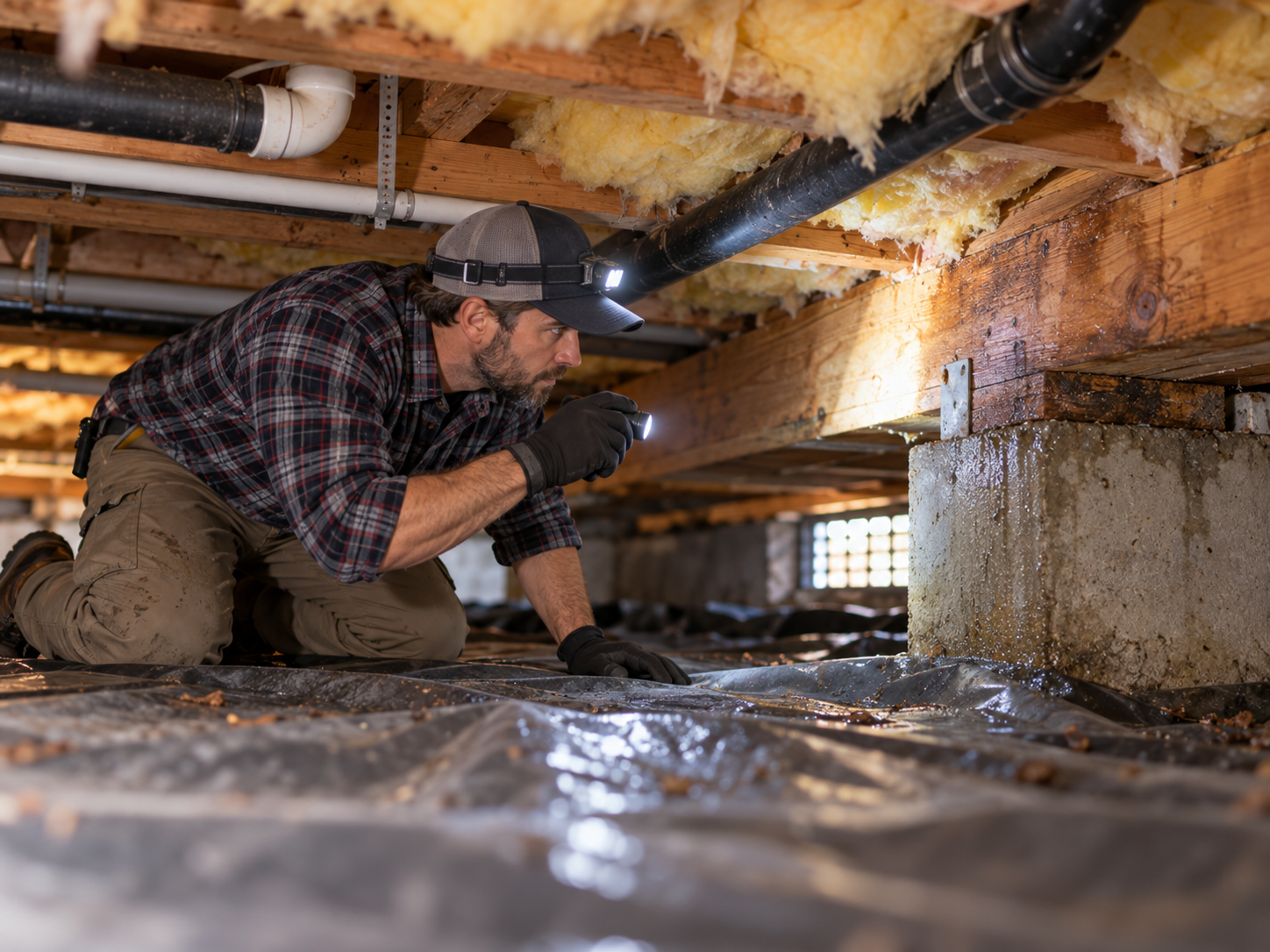
Crawl spaces deserve particular attention in the Pacific Northwest.
If your home has one, look for signs of excess moisture such as:
-
Standing water
-
Damp or damaged insulation
-
Musty odors
-
Visible staining
-
Moisture on structural materials
-
Damaged or displaced vapor barriers
-
Evidence that water has entered previously
Also make sure exterior access points and crawl-space components are in appropriate condition for your home's particular system.
Moisture underneath a home shouldn't simply be ignored.
If something looks, feels, or smells unusual, consider having it evaluated by a qualified professional rather than waiting to see whether it worsens during winter.
6. Inspect Siding, Exterior Trim, Paint, and Caulking
Months of rain can expose weaknesses in a home's exterior envelope.
Walk around your home and inspect siding and trim for:
-
Cracks or gaps
-
Peeling or failing paint
-
Soft or damaged wood
-
Loose siding
-
Failed caulking
-
Separation around penetrations
-
Areas where water appears to collect
Pay particular attention around windows, doors, utility penetrations, vents, and anywhere different building materials meet.
Exterior paint isn't purely cosmetic in our climate. On many surfaces, a properly maintained finish also plays an important role in protecting the material beneath it from moisture.
7. Check Windows and Exterior Doors
If you've noticed drafts, staining, or moisture around a window or exterior door, don't wait until winter to investigate.
Look for:
-
Deteriorated exterior caulking
-
Damaged weatherstripping
-
Visible gaps
-
Water staining
-
Soft or damaged trim
-
Unusual condensation patterns
Not every instance of condensation means a window is leaking, but signs of actual water intrusion deserve further investigation.
Properly sealed windows and doors can also help improve comfort and energy efficiency as temperatures drop.
8. Disconnect and Protect Outdoor Faucets
Rain isn't the only weather consideration heading into winter.
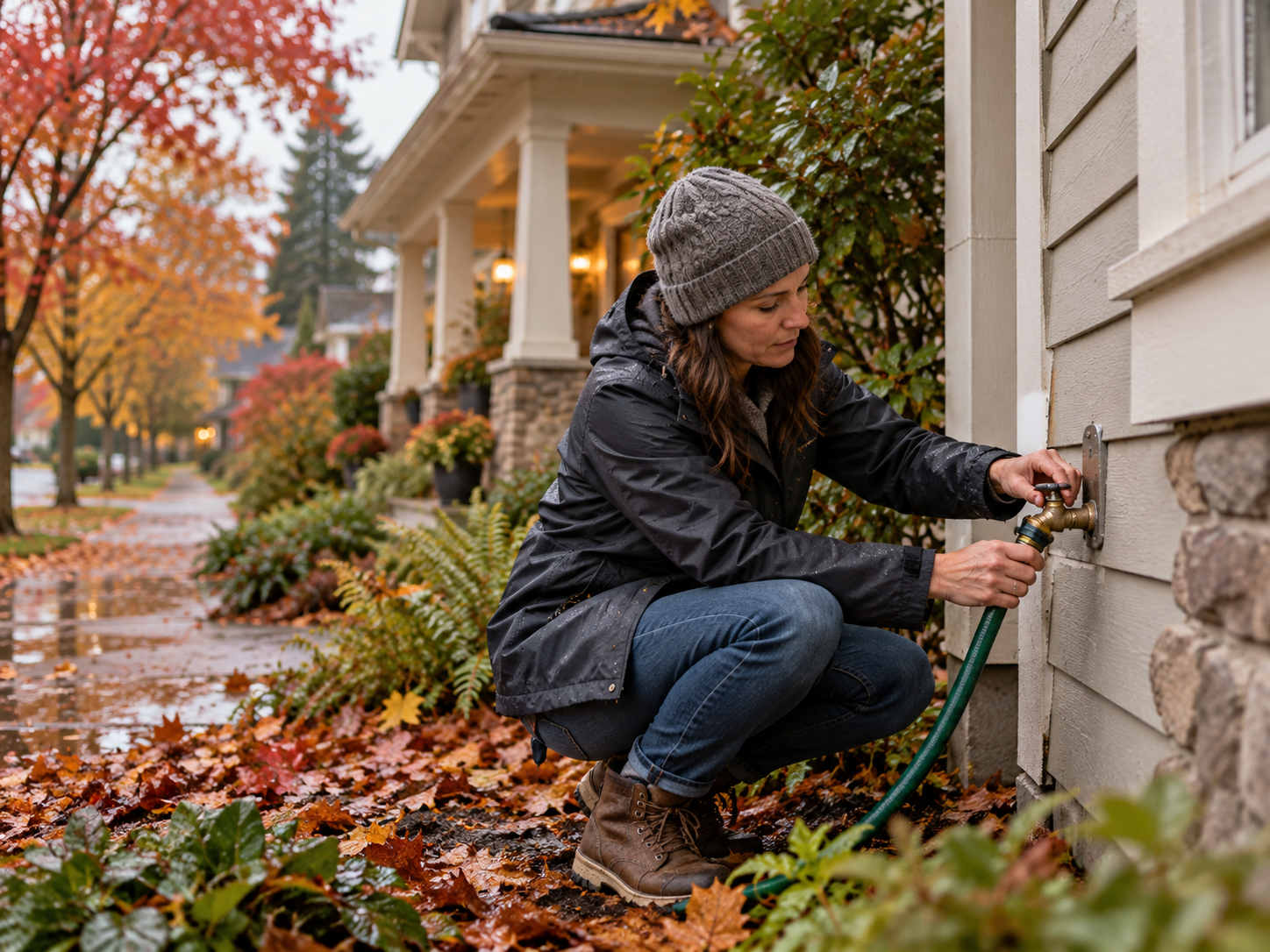
Before freezing temperatures arrive, disconnect garden hoses from exterior faucets.
Depending on the age and design of your plumbing system, you may also need to winterize exterior faucets or irrigation equipment.
This is an easy fall maintenance item to forget and one worth handling before the first cold snap arrives.
9. Service Your Furnace or Heating System
The rainy season also marks the beginning of the heating season throughout the Portland metro.
Before you're relying on your furnace or heating system every day:
-
Replace or clean filters as recommended
-
Test the thermostat
-
Make sure vents aren't blocked
-
Check that the system is operating normally
-
Schedule routine HVAC servicing if it's due
Preventative maintenance can help uncover problems before the coldest part of the year, when you need your heating system most.
10. Test Smoke and Carbon Monoxide Alarms
Fall is also a good time to test the smoke and carbon monoxide alarms throughout your home and replace batteries where applicable.
Make sure devices are operational and appropriately located based on the requirements that apply to your home.
If you're preparing to sell, this is also one of the many smaller property details worth reviewing before your home goes on the market.
Life-safety equipment shouldn't be something you wait until an inspection to think about.
11. Trim Trees and Clear Storm Debris
Mature trees are one of the things many of us love about living in Portland and Beaverton, but fall and winter storms can create hazards around a property.
Look for dead or damaged branches, particularly those hanging over:
-
Your roof
-
Driveways
-
Walkways
-
Fences
-
Outdoor living spaces
-
Utility areas
For larger trees, high branches, or questionable limbs, consult a qualified arborist rather than attempting potentially dangerous work yourself.
Keeping leaves and storm debris cleared from walkways, gutters, exterior drains, and catch basins can also help reduce drainage issues and slippery surfaces throughout the season.
12. Check Decks, Patios, Porches, and Exterior Stairs
Wet weather can be hard on exterior wood and walking surfaces.
Inspect decks, porches, patios, stairs, and railings for:
-
Loose boards
-
Deteriorated wood
-
Unstable handrails
-
Peeling or failing finishes
-
Moss or algae buildup
-
Surfaces that become particularly slippery when wet
Addressing problems before winter can help protect these areas while making your exterior spaces safer during months of rain.

What Are the Most Important Fall Home Maintenance Items in Portland and Beaverton?
If you don't have time to tackle everything at once, start with the systems responsible for protecting your home from water and moisture.
Our top five priorities are:
-
Roof
-
Gutters and downspouts
-
Drainage around the foundation
-
Crawl-space or basement moisture
-
Siding, trim, windows, and exterior seals
These systems don't operate independently.
A drainage issue can affect a crawl space. A failed gutter can affect siding. Deteriorated exterior seals can allow moisture to reach areas you can't easily see.
Think about the home as a system rather than a collection of unrelated maintenance projects.
Why Fall Home Maintenance Matters If You're Planning to Sell
If you're considering selling your Portland or Beaverton home within the next six to twelve months, fall maintenance can become part of your selling strategy.
Deferred maintenance often becomes much more noticeable once a home is professionally inspected.
Evidence of:
-
Roof leaks
-
Moisture intrusion
-
Damaged exterior wood
-
Drainage problems
-
Crawl-space moisture
-
Failing systems
-
Neglected repairs
can create additional questions for prospective buyers and potentially complicate a transaction.
Taking care of routine maintenance before there's a larger problem can help protect the condition of your home now and put you in a stronger position when you're eventually ready to sell.
It also gives you more control.
Handling an issue thoughtfully on your timeline is very different from discovering it in the middle of a transaction when inspection deadlines, buyer concerns, negotiations, and closing dates are already in play.
Thinking about selling in the next year?
We can help you think through which updates deserve attention, which improvements may not be worth the investment, and how to prepare your property strategically for today's market.
CLICK HERE TO CONNECT
Portland & Beaverton Fall Home Maintenance FAQs
When should I prepare my Portland or Beaverton home for winter?
Early fall is an ideal time to inspect your roof, gutters, drainage, exterior surfaces, and other weather-sensitive areas before prolonged rainy weather arrives.
Some items, particularly gutters and exterior drains, may need to be checked again later in the season after more leaves have fallen.
How often should gutters be cleaned in Oregon?
It depends on the property.
Homes surrounded by mature trees may need gutter cleaning multiple times during fall and winter, while properties with fewer nearby trees may require less frequent attention.
Rather than relying solely on a calendar, check whether leaves, needles, moss, or debris are preventing water from flowing freely.
Is moss on a roof common in Portland and Beaverton?
Yes. The Pacific Northwest's wet climate, tree cover, and shaded properties make moss growth common.
If moss becomes established, have it addressed using a method appropriate for the specific roofing material rather than using aggressive cleaning methods that could cause damage.
What are signs of a drainage problem around a house?
Common warning signs include:
-
Standing water near the foundation
-
Persistently soggy areas
-
Overflowing gutters
-
Water entering a crawl space or basement
-
Erosion near downspouts
-
Water pooling in landscaping
-
Exterior drains that aren't clearing properly
If you repeatedly see water collecting near your home, it's worth determining the source rather than treating the symptom.
Should I check my crawl space every year?
Periodic crawl-space inspections are a good idea, particularly for homes with a history of moisture or drainage concerns.
Fall is a useful time to check because it allows you to identify potential issues before the wettest months of the year.
What should I do if I find water or moisture damage?
Don't simply cover the damage cosmetically.
First determine where the moisture is coming from and address the underlying cause.
Depending on the problem, that could involve a roofing professional, drainage contractor, plumber, siding professional, crawl-space specialist, or another qualified home-service provider.
What home maintenance issues commonly come up when selling a home?
Every property is different, but roof condition, moisture intrusion, drainage, exterior wood deterioration, crawl spaces, heating systems, and other deferred maintenance items can become areas of discussion during a home inspection.
If you're considering selling, addressing known issues before listing can give you more time and flexibility to determine how you want to handle them.
A Little Prevention Goes a Long Way
Living in Portland and Beaverton means rain is simply part of life.
Our homes are built with the Pacific Northwest climate in mind, but they still require ongoing care.
The best time to discover a clogged drain, deteriorated seal, loose shingle, drainage issue, or moisture problem is before weeks of rain put it to the test.
A weekend spent checking the basics now can help protect your home through fall and winter and potentially prevent a much larger repair later.
Need a Trusted Local Contractor in Beaverton or Portland?
Not sure who to call for gutters, roofing, landscaping, painting, HVAC service, drainage, or another home-maintenance project? Reach out.
We maintain relationships with trusted local contractors and home-service professionals throughout Beaverton, Portland, and the surrounding Portland metro, and we're always happy to share recommendations.
Whether you're preparing to sell, planning ahead for a future move, or simply taking care of the home you love, we're here to be a resource.
More Portland & Beaverton Homeowner Resources
Looking for more local real estate insight?
Explore our latest Portland and Beaverton housing market updates, home-selling guidance, neighborhood resources, and homeowner tips from Carey Hughes Homes.
READ MORE
Categories
Recent Posts