
How to Get Your House Ready to Sell: A Room-by-Room Guide for Portland & Beaverton Homeowners

How to Get Your House Ready to Sell: A Room-by-Room Guide for Portland & Beaverton Homeowners
Before we list a home, one of the most important things we help our sellers do is look at their property through a buyer's eyes.
That can be surprisingly difficult when you've lived somewhere for years.
The family photos you barely notice anymore. The extra chair that has always lived in the corner. The kitchen appliances that permanently occupy the counter. The closet that technically has plenty of space but is filled from end to end.
None of those things are necessarily a problem when you're living in the home. But when you're selling it, every room has a different job. It needs to help a buyer understand the home quickly, see the space clearly and begin imagining what their own life could look like there.
That's why decluttering and depersonalizing are such an important part of preparing a house for sale. Not because buyers expect you to live in an empty house. And not because every home needs to look like a showroom. The goal is simply to remove enough visual distraction that the home itself becomes the focus.
If you're preparing to sell a home in Portland, Beaverton or the surrounding area, this is the room-by-room approach we recommend.
The Short Answer: What Should You Do Before Putting Your House on the Market?
Before listing your home for sale, focus on five things:
-
Declutter anything that makes rooms feel crowded.
-
Depersonalize enough that buyers can picture themselves living there.
-
Organize storage spaces, including closets, cabinets, and the garage.
-
Repair small imperfections that become visible as belongings come down or move out.
-
Simplify each room so its purpose, size, and best features are easy to understand.
One of the easiest ways to approach the process is to think of it as pre-packing rather than purging. You're moving anyway. Anything you know you won't use before moving day can usually be packed now.
That mindset makes preparing a home for sale feel much more manageable.
Why Decluttering Matters When You're Selling a Home
Buyers are constantly collecting information as they walk through a property.
How large is this room? Is there enough storage? Where would our furniture go? Does the home feel well maintained? Could we see ourselves living here?
The easier it is for someone to answer those questions, the easier it is for them to focus on the actual property.
Too much furniture can make a good-sized room feel smaller. An overflowing pantry can make storage appear inadequate. A bedroom serving as an office, playroom, and storage area all at once can make it difficult to understand the space. And highly personal belongings can keep a buyer mentally anchored in someone else's life instead of imagining their own.
The objective isn't perfection. It's clarity.
We want buyers looking at the house, not trying to look past everything in it.
Start With Three Categories: Keep Out, Store, and Let Go
Trying to decide the fate of every possession in your house before listing is one of the fastest ways to make the process overwhelming.
You don't have to. Instead, work through the home one room at a time and sort things into three simple categories.
KEEP OUT:
These are the things you still genuinely need while you're living in the home. Think everyday clothing, essential kitchen items, toiletries and the furniture you need to comfortably use the space.
STORE:
These are things you're keeping but don't need between now and moving day. Seasonal clothes, family photographs, collections, books, extra kitchenware, keepsakes and excess furniture can all fall into this category.
If you're uncertain about something, storing it is often the easiest answer.
DONATE or DISCARD:
Moving gives you a natural opportunity to separate out things you already know you don't want to bring into your next home. You don't have to tackle this category all at once. Even slowly removing what you know you no longer need can make the eventual move easier. For homes with a significant amount to store, a storage unit or portable storage container can be extremely helpful.
The key is avoiding the temptation to simply relocate everything into another room.
Should You Remove Family Photos Before Selling Your House?
This is one of the questions sellers ask us most often. And generally, yes, we recommend removing most family photographs and highly personal items before listing. But depersonalizing doesn't mean removing every ounce of warmth or character from your home. A house can still feel welcoming.
The purpose is simply to create enough neutrality that buyers aren't spending the showing looking at wedding pictures, family portraits, children's names, collections or personal memorabilia.
We want their attention returning to the home's architecture, layout, natural light, finishes, and possibilities.
Think edited rather than empty.
Entryway: Give the Home Room to Make a First Impression

The entry sets the tone for everything that comes after it. And because this tends to be one of the hardest-working areas of a home, it's also one of the easiest places for everyday life to accumulate.
Before listing:
-
Put away excess shoes.
-
Remove extra coats, backpacks, and bags.
-
Clear consoles and tables.
-
Minimize furniture.
-
Keep décor intentional and simple.
-
Make sure buyers have an easy, unobstructed path into the home.
The goal is for the arrival to feel open and welcoming.
Living Room: Make the Space Feel as Large as It Actually Is
This is often where removing a few things creates the biggest transformation.
Walk into the living room and ask yourself: Can I immediately understand the size and layout of this room?
If furniture is blocking pathways or every wall contains a piece, removing one chair, table or cabinet can sometimes completely change how the room feels.
Before listing:
-
Remove family photographs.
-
Edit bookshelves.
-
Clear coffee and side tables.
-
Pack excess pillows and blankets.
-
Remove unused furniture.
-
Eliminate baskets, boxes and items stored on the floor.
-
Keep pathways through the room clear.
You do not need to remove everything decorative.
A few thoughtful pieces can make a space feel finished.
The difference is allowing those pieces to complement the room instead of competing with it.
Kitchen: Show the Counter Space Buyers Are Actually Getting
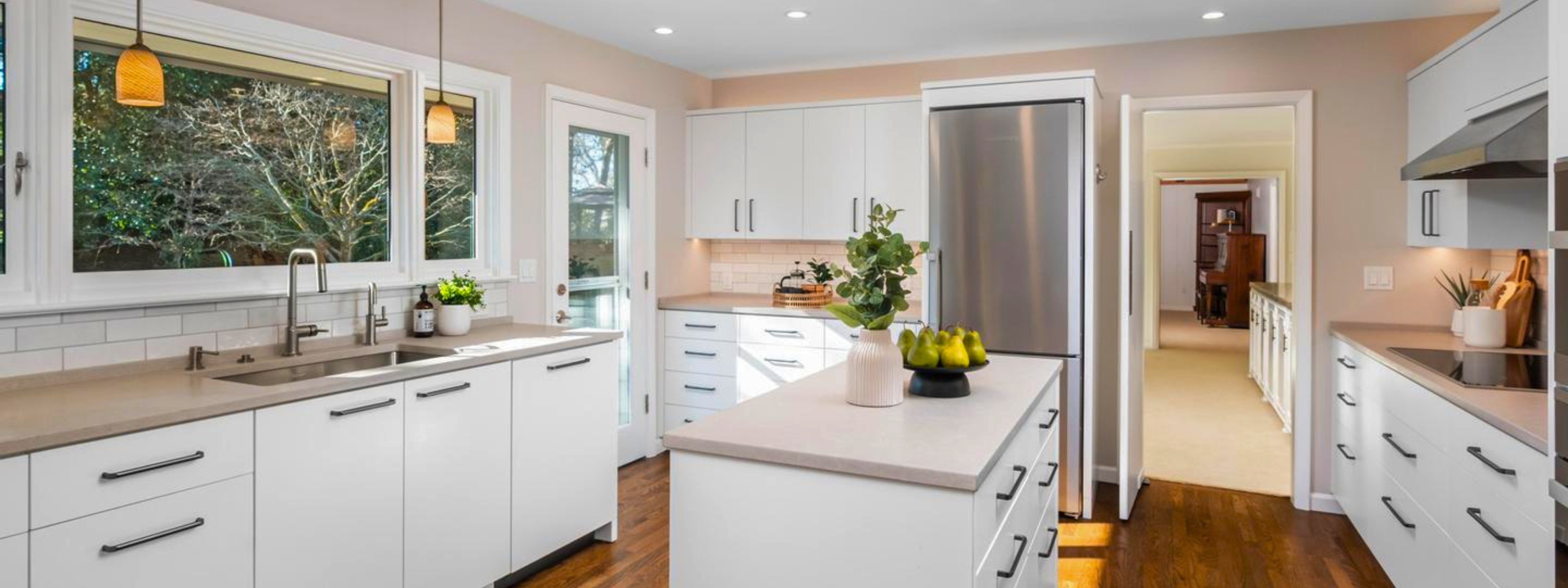
Kitchens naturally collect things. Coffee makers. Toasters. Air fryers. Mail. Vitamins. Knife blocks. Cookbooks. School papers. Before you know it, a large kitchen can appear to have very little usable workspace.
When you're preparing to sell, expose as much of the countertop as reasonably possible. Put away small appliances you aren't using every day. Remove magnets, calendars, paperwork and photographs from the refrigerator. Then go one step further and organize the spaces buyers can't immediately see.
Yes, buyers open cabinets. And pantries.
A cabinet filled to the point that nothing else could possibly fit can subconsciously suggest that the kitchen doesn't have enough storage.
You don't need empty shelves. You want organized shelves with a little breathing room.
Dining Room: Let the Space Have One Clear Purpose
Dining rooms are notorious for becoming somewhere to put everything that hasn't found a home yet. Mail gets dropped there. Projects get spread across the table. Boxes waiting to be moved end up against the wall.
Before listing, allow the room to return to its primary purpose. Keep the dining table mostly clear, edit surrounding furniture and remove excess décor.
If buyers can immediately understand how the room functions, they don't have to mentally redesign it while they're standing in it.
Primary Bedroom: Create Calm, Not Perfection
The primary bedroom should feel like somewhere you can exhale. That doesn't require expensive bedding or elaborate staging. Usually it requires less.
- Clear nightstands and dresser tops.
- Remove personal photographs and excess belongings.
- Simplify the bedding.
If the room contains furniture that isn't necessary, consider storing it temporarily to create more open floor space.
Then open the closet.
Don't Ignore the Closets
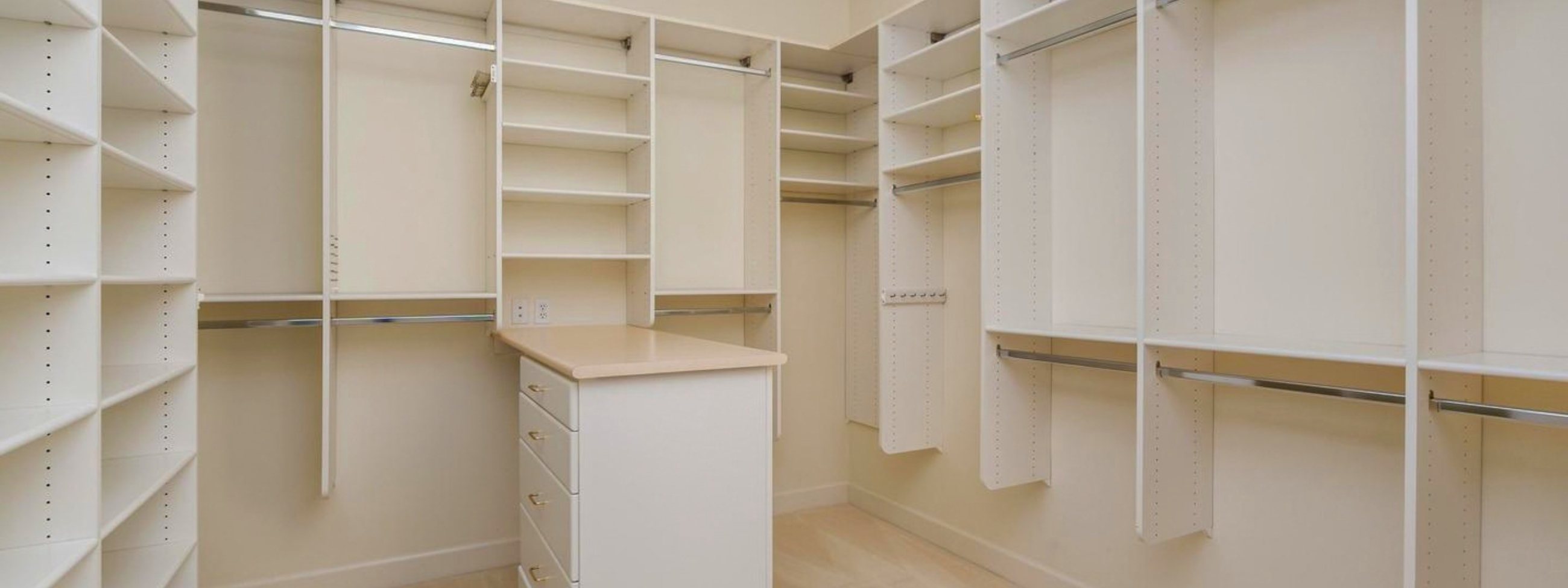
Closets deserve their own conversation because sellers sometimes approach decluttering like this:
Clear the house. Put everything in the closet. Close the door.
Unfortunately, buyers tend to open it.
If a closet is packed from floor to ceiling, buyers have a hard time seeing how much storage is actually available.
Before listing, pack clothing you won't need over the next few months, including out-of-season pieces.
- Organize shoes and accessories.
- Remove items from the floor when possible.
- Leave a little visible space between belongings.
You're not trying to create a magazine-worthy closet.
You're helping buyers understand its capacity.
Additional Bedrooms: Help Buyers Understand the Possibility
Children's rooms and secondary bedrooms often accumulate the most belongings. Start by packing anything your family doesn't need in the immediate future.
That might include:
-
Excess toys
-
Books
-
Seasonal clothing
-
Collections
-
Personal photographs
-
Wall décor
-
Extra furniture
-
Items stored under or around beds
Then ask whether the purpose of the room is clear.
If a room is simultaneously functioning as an office, guest room, gym, playroom and storage space, buyers may have difficulty understanding what they can realistically do with it.
You don't need to disguise how your family uses the home.
Just make the space easy to read.
Bathrooms: Put Everyday Life Away
Bathrooms photograph and show dramatically better when they're simple.
- Clear the countertops.
- Put medications and personal care products somewhere secure and out of sight.
- Remove excess toiletries.
- Simplify towels and décor.
- Organize drawers and cabinets.
If you live in the home while it's listed, keeping a small basket for everyday bathroom products can make this easier. Use what you need, place everything back in the basket and store it before a showing.
Small systems like this can make living in a listed home much less stressful.
Home Office: Protect Your Privacy and Reduce the Paperwork
Home offices require a little more attention because decluttering here is about more than appearance.
Before showings:
-
Remove paperwork containing personal information.
-
Secure financial documents.
-
Put away mail.
-
Clear excess office supplies.
-
Edit bookshelves.
-
Organize cords when possible.
-
Keep desks relatively clear.
Buyers should be able to appreciate the workspace without having access to your personal information.
Hallways: Let People Move Naturally Through the Home
Hallways aren't storage spaces when your home is on the market.
Remove baskets, boxes, furniture or anything else narrowing the walkway.
This is particularly important before professional photography because unobstructed sightlines can help the home's layout read more clearly.
Garage: Yes, You Can Store Things Here
This is another question we get frequently. And yes, buyers know you're moving. Your garage does not need to be empty. It does need to remain understandable and accessible.
If you're using the garage for packed boxes:
-
Group boxes together.
-
Stack them neatly and safely.
-
Keep clear walking paths.
-
Avoid spreading belongings across the entire garage.
-
Keep the electrical panel accessible.
-
Keep the water heater and other home systems accessible.
-
Make sure inspectors can reach anything they may need to evaluate.
If storage begins consuming most of the garage, consider moving some of it to a storage unit or container.
Again, the objective is clarity.
Buyers should still be able to see the garage they're purchasing.
Outside: Curb Appeal Begins Before the Front Door

Preparing your house for sale doesn't stop at the interior.
Start at the street and walk toward your own front door as if you'd never been there before.
What do you notice? Trim overgrown landscaping where needed.
Remove extra pots, garden décor and personal items. Sweep or clean walkways. Simplify porches, patios and decks. Make sure buyers can understand how outdoor living areas function without having to visually sort through everything currently stored there.
Your exterior doesn't have to be elaborate. It should feel cared for.
Use Decluttering to Identify Small Repairs
One of the hidden benefits of this process is that it often reveals things you've stopped noticing.
A nail hole behind a photograph. A wall scuff behind a chair. A loose cabinet handle. A burned-out lightbulb. A damaged switch plate.
These small details aren't necessarily major problems, but they can influence the overall impression of how well a home has been maintained.
As you declutter, keep a running list of minor repairs rather than trying to fix everything immediately. Then review that list with your real estate agent. Not every imperfection needs attention before selling. And not every improvement will produce a meaningful return.
The goal isn't to renovate blindly. It's to decide strategically where your time and money will matter.
How Far in Advance Should You Start Getting Your House Ready to Sell?
Earlier than the week before photos.
If your timeline allows it, giving yourself several weeks or even a few months can make preparing your home dramatically less stressful.
Start with the rooms and storage areas you use least often. Then work toward the spaces you need every day.
A typical progression might look like:
- First: Begin packing, decluttering and depersonalizing.
- Next: Identify minor maintenance and repair needs.
- Then: Complete cleaning, landscaping and final organization.
- Finally: Make staging adjustments and prepare the home for professional photography and video.
One of the advantages of working with your real estate team early is that you don't have to guess what needs to be done.
We would much rather walk through a home with a seller before they spend weeks painting, repairing, replacing and renovating things that may not materially affect their sale.
Sometimes the right recommendation is to make the improvement. Sometimes it's to leave it alone.
Knowing the difference matters.
Remember: Your Home Does Not Have to Be Perfect to Sell
This may be the most important part.
Preparing your home for the market can quickly turn into a feeling that everything needs to be fixed, replaced, painted or redesigned before you're allowed to sell it.
It doesn't.
Every house is different. Every seller's timeline is different. And every market is different.
Our job isn't to hand every seller the same checklist and tell them to complete it. It's to look at your specific property, understand your goals and help determine which preparations will actually support the sale.
Sometimes that means decluttering extensively. Sometimes it means moving one piece of furniture. Sometimes it means painting. Sometimes it means doing almost nothing.
The strategy should fit the home.
The Goal Is Simple: Give Buyers Fewer Reasons to Look Away
When we prepare a home for the market, we're trying to accomplish something surprisingly simple.
We want buyers to notice the house. The light. The layout. The kitchen. The yard. The storage. The way the living room connects to the dining room. The bedroom that could become their child's room. The corner where they can imagine putting a Christmas tree. The patio where they can picture having friends over.
The more visual noise we remove, the easier those moments become. And that is ultimately what good preparation does.
It doesn't erase the life you've lived in your home. It simply creates enough room for someone else to begin imagining theirs.
Thinking About Selling a Home in Portland or Beaverton?
You don't have to know exactly what needs to be done before you call us.
In fact, we'd prefer that you don't spend money making changes until we've had a chance to talk.
At Carey Hughes Homes, we work with sellers throughout Beaverton, Portland and the surrounding communities to create a preparation and marketing strategy based on the actual home, current market conditions and the seller's timeline.
We'll walk the property with you, help prioritize what matters, identify what probably doesn't, and create a clear path from "We're thinking about selling" to "We're ready to go live."
If selling is on your radar, even if it's still a few months away, that's a good time to start the conversation.
CLICK HERE TO CONNECT
Categories
Recent Posts