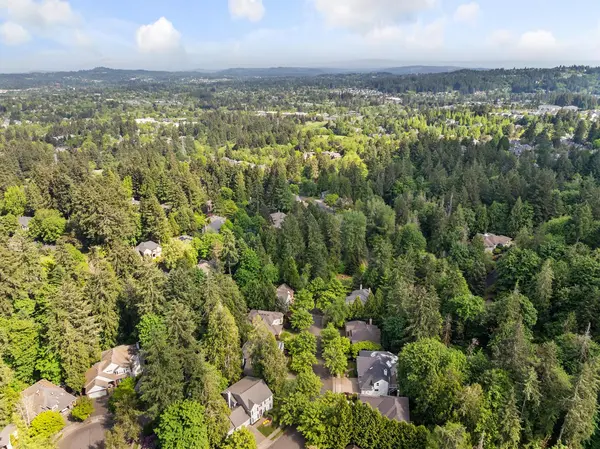
Oil Tank Decommissioning in Beaverton and Portland Real Estate: What Buyers and Sellers Should Know
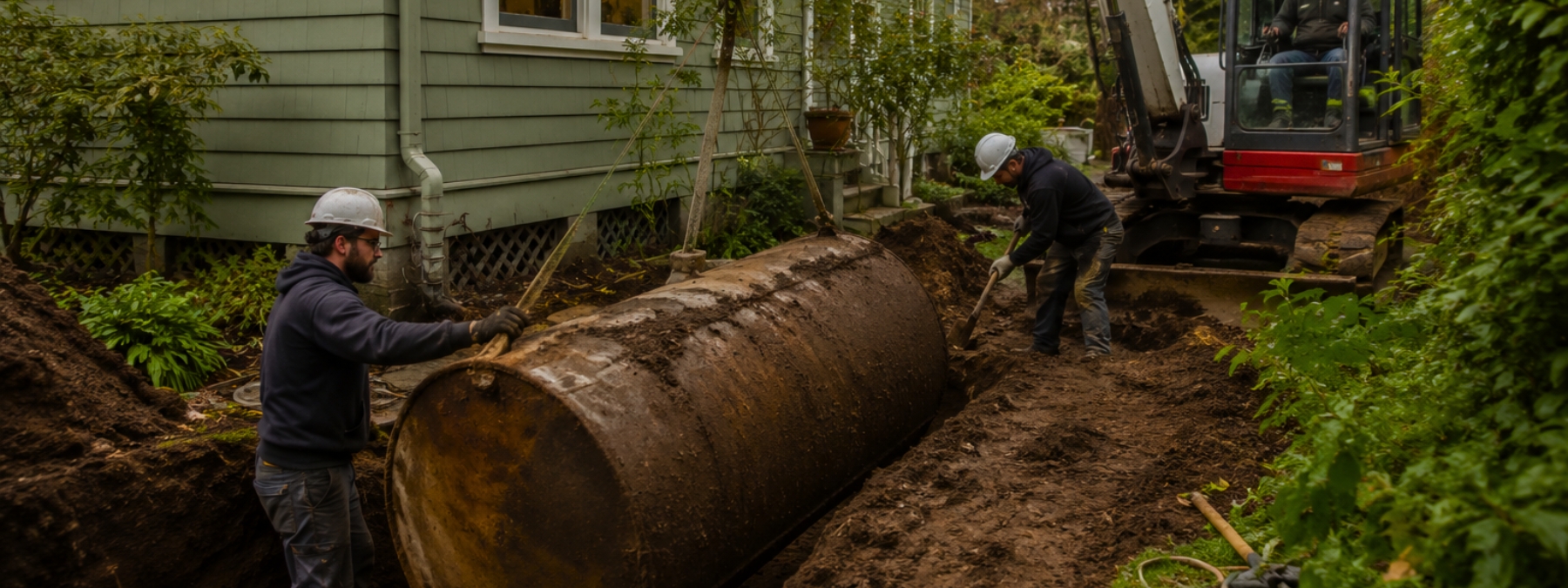
Oil Tank Questions Can Become a Major Real Estate Curveball
If you are selling an older home in Beaverton, Portland, or the surrounding Oregon area, there is one property detail that can create unexpected issues during a real estate transaction: an old heating oil tank.
For many homeowners, an underground oil tank may feel like ancient history. Maybe the home was converted to gas or electric heat decades ago. Maybe a previous owner said the tank was “taken care of.” Maybe there is even paperwork showing that something was done years ago.
But in Beaverton and Portland real estate, especially with older homes throughout the Portland Metro area, the question is not simply whether the tank is still being used.
The real question is:
Was the heating oil tank properly decommissioned, documented, and registered in a way that meets current Oregon DEQ standards?
That distinction matters.
An oil tank that was emptied is not necessarily the same as one that was properly decommissioned. Proper decommissioning may involve cleaning the tank, removing it or filling it in place, collecting soil samples, and submitting documentation through a licensed heating oil tank service provider.
For sellers, unclear oil tank records can affect timing, negotiations, buyer confidence, lender questions, and whether a transaction stays on track.
For buyers, oil tank history can affect future liability, inspection concerns, and the property's long-term safety.
That is why oil tank documentation is one of those “small detail, big impact” issues that experienced real estate professionals pay attention to early.
Quick Answer: Why Oil Tank Documentation Matters When Selling a Home
If you are selling an older home in Beaverton or Portland, oil tank documentation matters because buyers, inspectors, lenders, and environmental professionals may want to know whether an underground heating oil tank was properly decommissioned and whether soil testing was completed.
A decommissioned oil tank does not automatically mean there is a problem. But incomplete documentation, missing soil samples, outdated records, or an unclear DEQ registration can lead to delays, inspection negotiations, or buyer concerns.
For sellers, the best strategy is to review oil tank history before listing.
For buyers, the best strategy is to ask questions before closing.

Why Oil Tanks Come Up in Beaverton and Portland Real Estate
Many older homes throughout Beaverton, Portland, and the broader Portland Metro area were once heated with oil. Before natural gas and modern electric systems became more common, heating oil was a normal residential fuel source.
In many cases, those tanks were installed underground. When homeowners later converted to a different heating system, the old oil tank may have been abandoned, emptied, filled, removed, or simply left in place.
The challenge is that many of these changes happened decades ago, before today’s documentation standards and buyer expectations were in place.
That means a seller may believe a tank was handled properly, but the available records may not fully satisfy a modern buyer, lender, inspector, or environmental professional.
This can be especially relevant for older homes in established Beaverton and Portland neighborhoods, and nearby communities where properties have undergone several decades of updates, ownership changes, remodels, and system conversions.
In other words: Older paperwork may not always be enough.
What Does It Mean to Decommission an Oil Tank in Oregon?
In Oregon, decommissioning a heating oil tank means permanently removing it from service using an approved method.
This may include removing the tank from the ground or abandoning it in place by cleaning it and filling it with an inert material. In many cases, soil samples are also collected to determine whether the tank leaked.
In a real estate context, a clean and well-documented oil tank decommissioning often includes:
• Locating the tank: A professional may inspect the property for signs of an underground tank, including fill pipes, vent pipes, or other evidence of past oil heat.
• Testing the soil: Soil samples are commonly collected around the tank to determine whether a leak has occurred.
• Cleaning the tank: Remaining oil, sludge, or residue is removed.
• Removing or filling the tank: Depending on the property and the contractor’s recommendation, the tank may be removed from the ground or filled in place with an inert material.
• Submitting documentation to Oregon DEQ: A licensed heating oil tank service provider can certify the work and submit the report for registration.
• Receiving confirmation documentation: Documentation confirming the decommissioning can become an important part of the seller’s records.
For a Beaverton or Portland seller, this documentation can be a valuable addition to the listing packet. For a buyer, it can provide confidence that the tank was evaluated and handled appropriately.
Why “Decommissioned” Does Not Always Mean “Documented to Current Standards”
This is the part that can surprise homeowners.
A seller may have paperwork saying an oil tank was decommissioned years ago. But that does not always mean the tank was decommissioned in a way that satisfies today’s expectations.
This is especially true for oil tank work completed before modern DEQ registration and documentation standards were in place.
In a real estate transaction, that can create confusion.
A seller may think: “This was already handled.”
A buyer may ask: “Where is the DEQ letter?”
A lender may want: “Proof that the tank was properly decommissioned.”
An inspector may recommend: “Further evaluation or soil testing.”
And suddenly, a Beaverton or Portland home that seemed ready to close has a new environmental question attached.
This is one reason sellers benefit from reviewing the oil tank's history before the home goes live on the market.
Why Oil Tank Documentation Matters When Selling a Home in Beaverton or Portland
When you are selling a home, unresolved questions about an oil tank can create friction in several ways.
Buyer Confidence: Buyers are making a major financial decision. If they discover an old underground tank without clear documentation, it can raise concerns about possible contamination, cleanup costs, and long-term liability. Even if there is no active problem, uncertainty can create hesitation.
Inspection Negotiations: Oil tank issues often surface during the inspection period. If the buyer asks for a tank locate, soil testing, decommissioning, or additional documentation after going under contract, it can introduce new deadlines and negotiation pressure.
Lender Concerns: Some lenders may require documentation before approving financing, especially if there is a known underground tank or an environmental concern associated with the property.
Timeline Delays: Soil testing, contractor scheduling, report preparation, DEQ documentation, and possible remediation can all take time. If this happens while a home is already under contract, it can delay closing or create stress for both parties.
Seller Leverage: When a seller proactively addresses oil tank questions before listing, they are often in a stronger position. Instead of reacting under pressure, they can provide clarity upfront.
That is why we take a proactive approach to preparing listings in Beaverton, Portland, and the surrounding areas. The goal is not just to put a home on the market. The goal is to identify potential issues early, reduce surprises, and protect the seller’s timeline and bottom line.
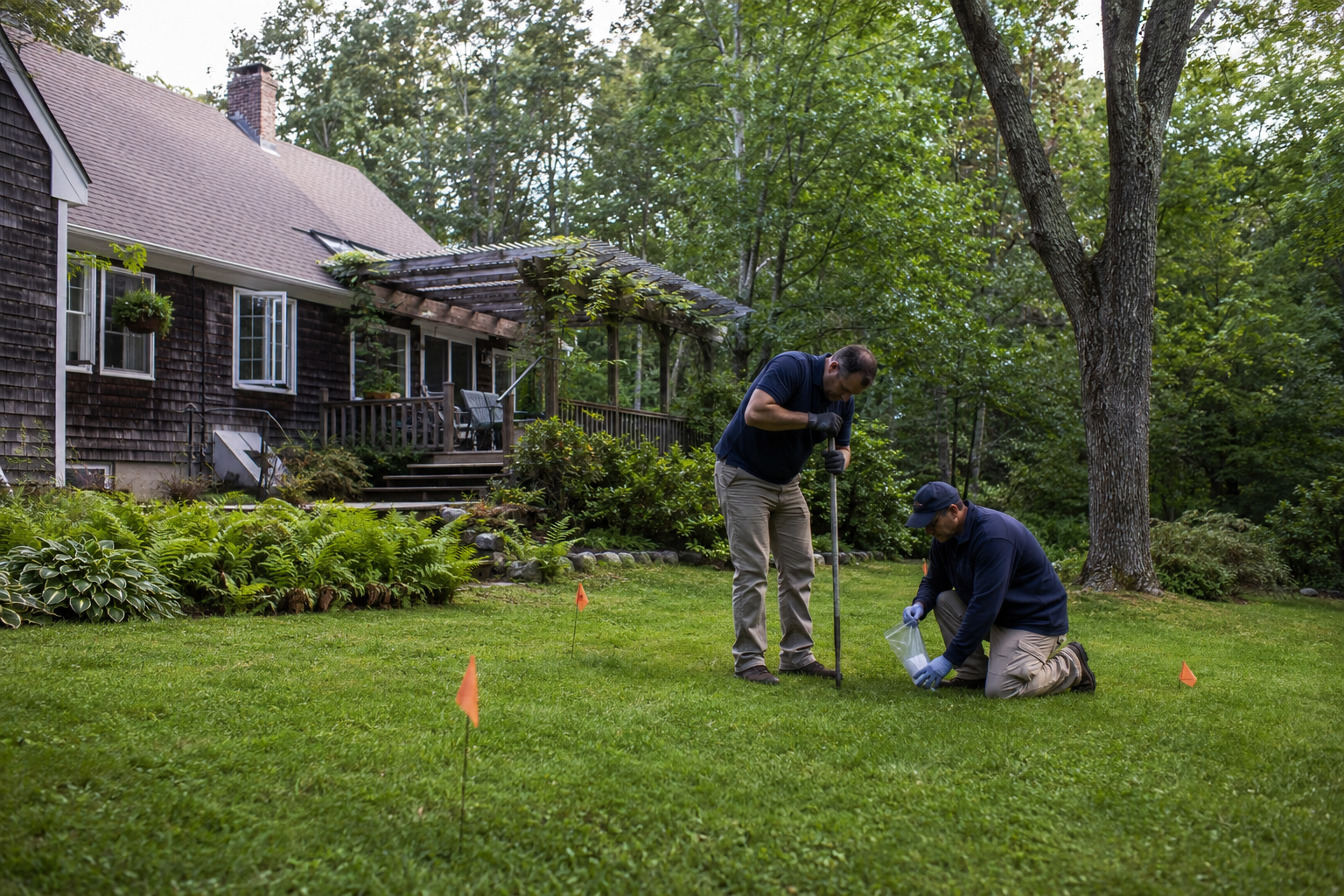
What Buyers Should Know About Underground Oil Tanks in Beaverton and Portland
Oil tank questions are not just a seller issue. They matter for buyers too.
When purchasing an older home in Beaverton, Portland, or the surrounding Portland Metro area, buyers should understand whether the property has a history of oil heat and whether any underground tank was properly evaluated.
Questions buyers may want to ask include:
- Was the home ever heated with oil?
- Is there evidence of an underground oil tank?
- Has a tank locate been completed?
- Is there DEQ documentation?
- Were soil samples taken?
- Was the decommissioning completed by a licensed heating oil tank service provider?
- If contamination was found, was it reported and cleaned up to Oregon standards?
- Are all reports available for review?
A clean, well-documented oil tank history can make a buyer feel more confident. Unclear documentation can become a point of negotiation.
For buyers, oil tank due diligence is one part of understanding the true condition and risk profile of an older Oregon home.
What Happens If a Heating Oil Tank Has Leaked?
If a heating oil tank has leaked, the situation becomes more serious.
A leak does not automatically mean a property cannot be sold. But it does mean the situation needs to be handled carefully, properly documented, and appropriately disclosed.
In many cases, a licensed environmental contractor or heating oil tank service provider can help determine:
- Whether contamination is present
- How far contamination may have spread
- Whether soil removal or additional remediation is required
- What documentation is needed
- Whether the site can receive closure or certification documentation
For Beaverton and Portland sellers, the most important thing is not to ignore the issue.
Once a potential leak or undocumented tank is discovered, it is usually better to address it directly and professionally than to hope it will not become a problem during the transaction.
Signs Your Beaverton or Portland Property May Have an Old Oil Tank
Not every homeowner knows whether their property has an underground oil tank. In older Beaverton and Portland homes, especially homes built before natural gas became common, it is worth investigating.
Possible signs of an old heating oil tank include:
- An old fill pipe near the side of the home
- A vent pipe near the foundation
- A basement furnace that was once connected to oil heat
- Old utility records or permits
- Prior seller disclosures mentioning oil heat
- Landscaping or yard areas that may have covered an old tank location
- Public property records referencing a tank or decommissioning
If there is any uncertainty, sellers may want to consider a professional tank locate before listing. This can help avoid surprises once buyers begin inspections.
Seller Checklist: What to Do Before Listing an Older Home in Beaverton or Portland
If you are preparing to sell an older home in Beaverton, Portland, or the surrounding area, here is a practical checklist to consider.
- Review Your Property Records
- Look for any past documentation related to oil heat, tank removal, decommissioning, soil testing, or DEQ registration.
- Check for Visible Signs of an Old Oil Tank
- Look around the exterior of the home for old fill or vent pipes. Also review basement or utility areas for signs of former oil heating equipment.
- Search Public Records When Available
- Depending on the property location, there may be records through local jurisdiction tools, permits, or DEQ-related documentation.
- Ask Whether the Tank Was Properly Documented
- If the tank was decommissioned years ago, confirm whether the paperwork includes soil sampling, contractor information, and registration documentation.
- Consider a Professional Tank Locate
- If the history is unclear, a professional tank locate can help identify whether an underground tank is present.
- Work With a Licensed Heating Oil Tank Service Provider
- If additional evaluation or documentation is needed, work with a qualified professional who understands Oregon requirements.
- Prepare Documentation Before Going Live
- If clean documentation exists, include it in the seller file so buyers can review it early.
- Disclose Properly
- Oil tank history should be handled transparently. Proper disclosure protects everyone involved and can reduce the risk of issues later in the transaction.
Why Proactive Preparation Can Protect Your Beaverton or Portland Home Sale
In a competitive real estate market, sellers often focus on the visible parts of listing prep: staging, paint, landscaping, photography, pricing, and marketing.
Those things matter.
But experienced listing strategy also includes the less visible details that can affect the transaction once buyers start asking questions.
Oil tank documentation is one of those details.
A seller may have a beautiful home, strong marketing, and a qualified buyer, but if an undocumented heating oil tank surfaces during inspection, the transaction can suddenly become more complicated.
Proactive preparation can help:
- Reduce buyer uncertainty
- Prevent avoidable inspection surprises
- Support stronger negotiations
- Improve lender confidence
- Protect the closing timeline
- Give sellers more control over the process
This is especially important in Beaverton and Portland real estate, where many desirable neighborhoods include older homes with long property histories.

How This Impacts Beaverton Real Estate
Beaverton has a wide variety of housing stock, from newer construction to established neighborhoods with homes that have been updated over time.
In older Beaverton homes, heating systems may have changed over the years. A property may now have gas or electric heat, but that does not always mean there is no legacy oil tank history.
For Beaverton home sellers, questions about oil tanks may arise during listing preparation, buyer inspections, disclosure review, or lender due diligence.
The issue is not necessarily whether the home once had oil heat. The issue is whether the history has been properly evaluated, documented, and disclosed.
For buyers, especially those purchasing older homes in Beaverton, oil tank due diligence can be an important part of understanding the property.
How This Impacts Portland Real Estate
Portland is known for its older homes, established neighborhoods, and historic housing stock. That charm is part of what makes Portland real estate so appealing, but older homes can also come with older systems and hidden property history.
In many Portland neighborhoods, oil tank questions are not uncommon. A home may have been converted to a new heating system years ago, but the old underground tank may still need to be located, documented, or evaluated.
For Portland home sellers, reviewing oil tank history before listing can help reduce transaction surprises.
For Portland home buyers, asking about oil tank documentation can help clarify potential risk before closing.
In both cases, having a knowledgeable real estate team can make the process smoother.
Frequently Asked Questions About Oil Tanks and Real Estate in Oregon
- Do all older Beaverton or Portland homes have oil tanks?
- No. Not every older home has an underground oil tank. However, many older homes in Oregon were once heated with oil, so it is worth asking questions if the home has a long property history or signs of former oil heat.
- Is an unused oil tank the same as a decommissioned oil tank?
- No. An unused tank is not necessarily the same as a properly decommissioned tank. A tank may no longer be active, but that does not always mean it was cleaned, filled or removed, soil tested, and documented.
- Can you sell a home with an underground oil tank in Oregon?
- In many cases, yes. But the condition, documentation, and disclosure history matter. If an oil tank is present or suspected, it is important to understand whether it has leaked, whether it was decommissioned, and whether proper documentation exists.
- What if the oil tank was decommissioned years ago?
- Older decommissioning paperwork may not always meet current expectations. Sellers should review the available records and confirm whether soil testing, contractor information, and DEQ-related documentation are available.
- Should sellers check for oil tank issues before listing?
- Yes. If there is any uncertainty, it is usually better to investigate before going on the market rather than during the buyer’s inspection period.
- Why does this matter for buyers?
- Buyers want to understand the condition and risk profile of the property they are purchasing. If oil tank documentation is missing or incomplete, it can create questions about potential contamination, cleanup responsibility, or future costs.
The Bottom Line: Oil Tank Issues Are Manageable, But They Should Not Be Ignored
A decommissioned oil tank does not have to derail a home sale.
But unclear documentation, missing soil samples, outdated records, or an unregistered tank can create real challenges during a real estate transaction.
The best approach is to get ahead of the issue.
If you are selling an older home in Beaverton, Portland, or the surrounding Oregon communities, it is worth reviewing your property records before going on the market. If there is an old oil tank, confirm whether the documentation meets current expectations. If there is uncertainty, address it before buyers are the ones asking the questions.
Because in real estate, the details matter.
And sometimes the difference between a smooth sale and a stressful one comes down to knowing what to look for before the listing ever goes live.
Thinking About Buying or Selling an Older Home in Beaverton or Portland?
At Carey Hughes Homes, we help buyers and sellers look beyond the surface-level details and understand the factors that can affect a successful real estate transaction.
From property preparation and disclosure questions to inspections, documentation, negotiation, and closing, our goal is to help you move through the process with clarity and confidence.
If you are buying or selling an older home in Beaverton, Portland, or the surrounding area, let’s make sure you understand the details that matter most, including the ones that may not be obvious at first glance!
Reach out anytime, we’d be happy to support your next move.
Explore our Current Listings to see what’s available across Portland, Beaverton, and the surrounding communities.
And if you found this blog post helpful, be sure to Browse Our Previous Blog Posts for more local insight, neighborhood guides, market guidance, and home-buying and selling tips.

Categories
Recent Posts